
For Healthcare Institutions
Communication failure is the leading contributing factor in medical errors in the United States. The Joint Commission has identified it consistently as a root cause of sentinel events — the most serious, preventable adverse outcomes in healthcare. The financial, legal, and reputational consequences for institutions are significant.
Your internationally trained physicians are skilled clinicians. The challenge is rarely competence. It is the subtle, high-stakes communication dynamics of the US healthcare environment — the unwritten cultural expectations, the hierarchy, the pace, the precision required in patient interactions and interdisciplinary collaboration — that create friction, risk, and cost.
Precision Clinical Communication was built specifically to address this.
The cost of miscommunication is measurable.
So is the value of preventing it.
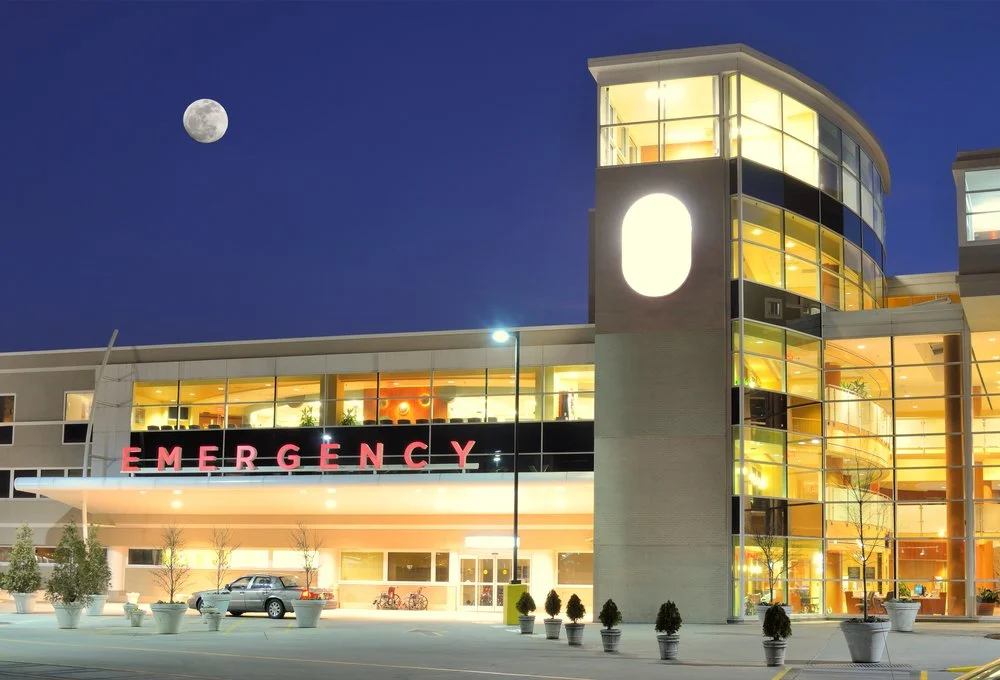

Your physicians bring expertise. We help it translate across contexts.
Internationally trained physicians bring valuable clinical knowledge, experience, and perspective to U.S. healthcare.
Most communication training available to institutions comes from language educators. They understand English. They do not understand healthcare. Precision Clinical Communication helps organizations support those physicians as they navigate the communication nuances of new clinical and professional environments.
The result is greater clarity, confidence, collaboration, and connection across the healthcare experience.

Built for the realities of healthcare
Our programs can support:
Physician onboarding and integration
Residency and fellowship programs
Clinical team communication
Patient and family interactions
Interdisciplinary collaboration
Leadership communication
Presentations and case discussions
Cultural and workplace communication

The Institutional Case
The numbers are clear:
Medical errors cost the US healthcare system an estimated $20 billion annually
Communication failures contribute to approximately 80% of serious medical errors
The average cost of a single malpractice claim exceeds $300,000
Preventive training is a fraction of that cost
For institutions that recruit, train, and retain internationally trained physicians, investing in clinical communication performance is not a cultural courtesy. It is a risk management strategy.

Onboarding Communication Programs
Structured communication training integrated into physician onboarding.
Individual Coaching
Personalized support for physicians in key roles or transitions.
Small Group Cohorts
Interactive development around shared communication goals.
Workshops & Intensives
Focused sessions for specific clinical or professional needs.
Curriculum Development
Custom training materials and methodology developed for your institution.
Organizational Programs
Customized communication initiatives integrated into your existing physician development strategy.
Risk-Focused Communication Assessment
Identify gaps and design targeted interventions before they become adverse events
Flexible by design.
Programs can be tailored to your needs, including:

The physician workforce in the United States is increasingly global. The Association of American Medical Colleges projects a physician shortage of up to 86,000 by 2036. International medical graduates are essential to closing that gap — and institutions that invest in their integration and communication performance will have a measurable competitive advantage in quality outcomes, accreditation standing, and physician retention.
The question is not whether to address clinical communication. It is whether to address it proactively — or after an adverse event makes the decision for you.
Why Now
A partner in physician development
Precision Clinical Communication works alongside healthcare organizations to help internationally trained physicians feel equipped to communicate, collaborate, and lead with confidence.
Let's explore what your physicians and organization need most.